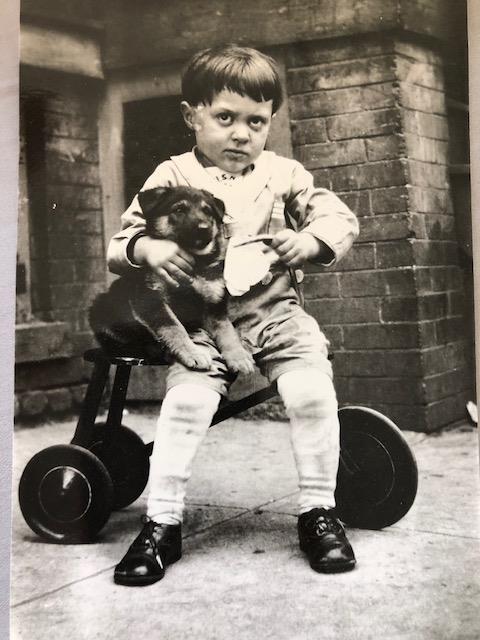
 When Maria Wilson was a youngster, her father’s limp was just a part of life. She knew something serious had occurred at some point, but she didn’t fully grasp at the time the challenges Dominic Russo faced after contracting polio as a toddler in the 1920s.
“Growing up, for me polio was just a word, a forgotten disease,” she said. “My dad walked with a limp, but that was just a part of who he was.” By then, “the vaccine was just routine. Polio wasn’t front and center in our family."
“As a college student, I had to complete a class assignment about someone who had a disability. It wasn’t until after I turned in the paper that it occurred to me that I could have used my dad as the subject.”
Wilson, who spent her early years in New Jersey and later moved to South Dakota, now serves as chair of Rotary District 5710’s Polio effort. She joined Rotary 30 years ago as a new resident of the Capital City, unaware at the time of Rotary’s strong emphasis on polio eradication.
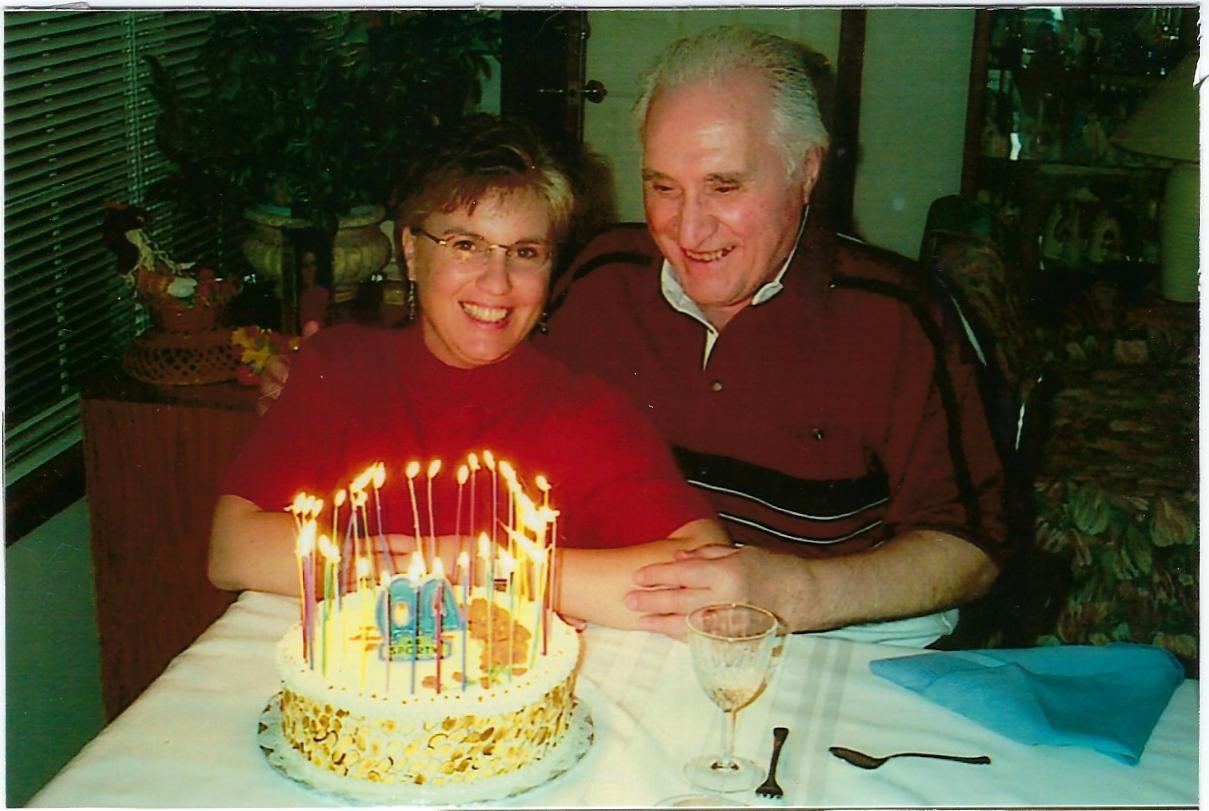 Wilson said as a young adult that she started to see the impact of the virus on her family.
“It was after I joined Rotary and started asking Mom and Dad questions that I learned more,” she said.
Wilson didn’t understand as a child why her dad never wore slippers or sneakers. He had to wear custom-made shoes because regular ones didn’t provide enough support for him to keep his balance. He had two identical pairs, one for every day and the other for dress. When the shoes would wear out, he would have a new pair made and the dress shoes would take over as his every-day pair.
“When Dad died, my sister put loafers on Dad’s feet so that he would be able to dance with Mom in their next life,” Wilson said.
As we all now know, the words used at one time to address various disabilities were insensitive.
“As a child, my dad went to the ‘crippled kids’ school, because at that time the different, disabled and maimed kids weren’t allowed to mingle with the regular kids,” Wilson said.
 Later, in the midst of World War II, her dad was disappointed he was unable to enlist in the armed services and achieve his dream of becoming a pilot. Consequently, he and his wife would offer to take his friends out for dinner and entertainment when they returned from duty as his way of being supportive, even when they really couldn’t afford it.
“My Dad became a mechanical engineer,” she said, “but he was often passed over for jobs and promotions for what would now be considered discrimination due to his disability.”
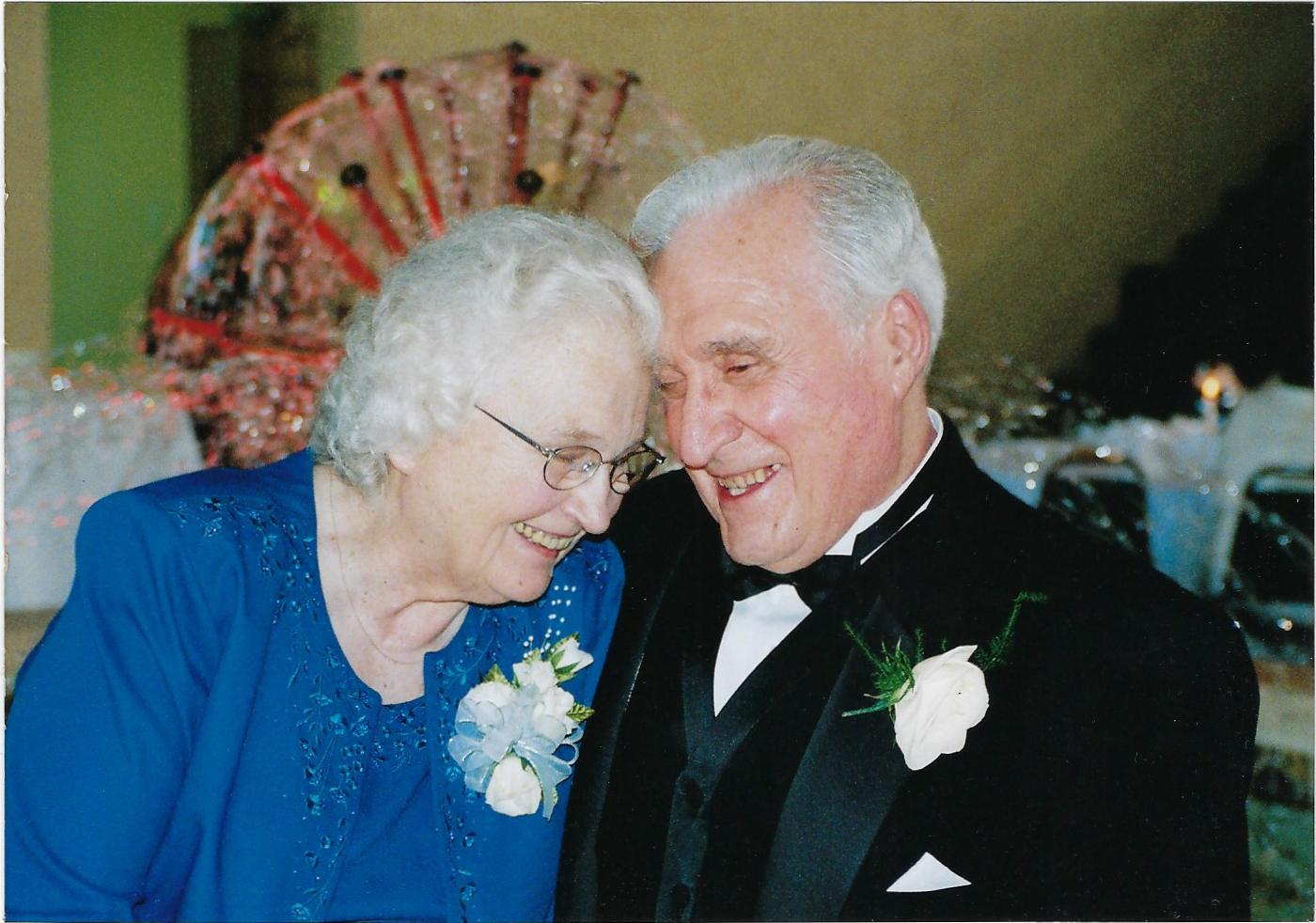
She remembers her dad had difficulty with sloped floors such as those at churches, theaters and stadiums. He tripped while entering the church when he and his wife celebrated their 50th anniversary. He wasn’t injured and wrote it off at the time as “mugging for the cameras.”
Tripping incidents were just a part of his life.
“Dad couldn’t walk and at the same time carry anything heavy or that required balance or a steady step,” Wilson said. “His gait had a distinct tilt with a heavy foot strike. We always knew where Dad was in the house. We all grew up helping Dad fix things, to be the ones to ‘step and fetch’ for him.”
As her dad aged, he dealt with post-polio syndrome, where the body reacts as if the virus has returned. The exercises he had done to maintain muscle strength had actually begun to have the opposite effect.
“Eventually, it became that when Dad left home, he was in a wheelchair,” Wilson said.
Ultimately, though, Wilson said: “Dad had a full meaningful life” as a man of deep faith, with a wife, five children, 12 grandchildren and now numerous great grandchildren.
He died at age 85 of a stroke.
Maria and her husband, Mike, have been faithful contributors to the Rotary Foundation.
“I have always believed that the Rotary Foundation does very well with how it raises and manages its money,” she said. “Thirty years ago I could give only smaller amounts, and I gave as I could, increasing the amounts over time.”
Her commitment to Rotary is obvious as she and Mike prepare to join a Rotary effort to vaccinate children in India this month.
“I had been to Ghana in 1999 for a similar trip with Rotary to help with a National Immunization Day,” she said. “It was a great trip and a very worthwhile experience. It had a very big impact in how I saw my role in Rotary.”
She was not aware the NIDs were still happening, but she heard someone in another Rotary Club talking about it last year.
“As the district polio chair, participating in NID in India became part of what I was doing with polio eradication,” Wilson said.
Twelve members from our Rotary district are going to India. They will be joined by six others from Europe, Canada and Australia.
October 24 is World Polio Day. We are SO CLOSE, but we aren't finished!
PolioPlus does more than fight polio. It funds lifesaving vaccinations and supports a global network of healthcare workers, laboratories and disease surveillance systems that protect communities against polio and other health threats.
We cannot afford to stop now! Every donation brings us closer to a polio-free world while strengthening healthcare worldwide.
Please donate to the PolioPlus Fund TODAY. Let's finish the job!